Why Capable Drivers Still Fail Their Road Test: The Non-Driving Factors No One Talks About
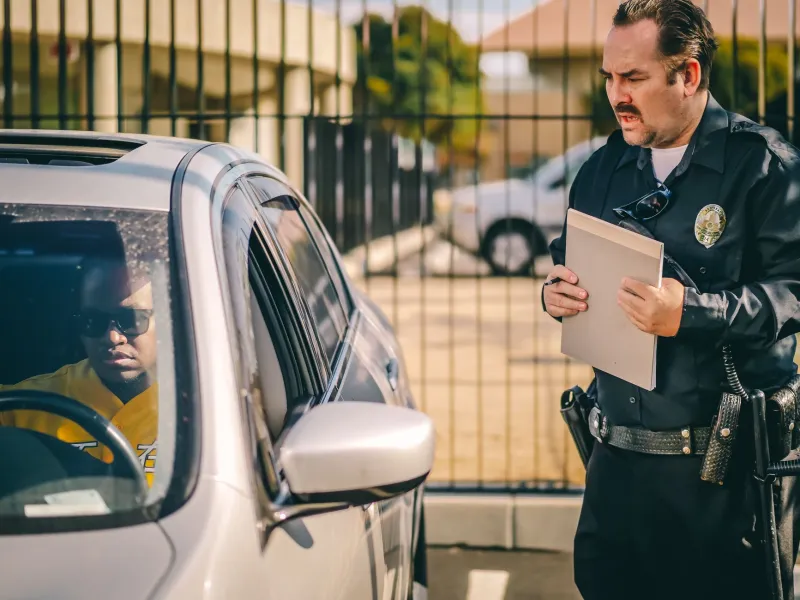
Most drivers who fail their road test walk away convinced they made a critical error in traffic or misjudged a turn. In many cases, however, the real culprit was never the driving itself. Across the United States, licensing examiners observe a consistent pattern: candidates who demonstrate genuine competence during practice sessions arrive at the DMV and underperform—not because their skills have vanished, but because a constellation of non-driving factors quietly dismantled their performance before the vehicle even left the parking lot.
At Redin Motor School, we have worked with hundreds of students who experienced this exact phenomenon. The goal of this article is to name those factors clearly, explain why they carry such significant weight, and offer concrete steps to neutralize them before your test date.
The Psychological Weight of the Examination Environment
Test anxiety is not a character flaw, nor is it exclusive to academic settings. When a driver sits beside a state examiner holding a clipboard, the brain registers social evaluation—a deeply ingrained human stressor. The body responds with elevated cortisol, narrowed attention, and a tendency toward overcorrection. Drivers who parallel park flawlessly in practice suddenly clip the curb. Smooth lane changes become hesitant and jerky. The mechanics have not changed; the psychological environment has.
Research in performance psychology consistently shows that anxiety impairs procedural memory retrieval—the very type of memory that governs learned motor skills like driving. When you are nervous, your brain defaults to conscious, deliberate processing rather than the automatic execution that characterizes skilled performance. The result is that you think too hard about tasks you normally complete without effort.
What to do about it: Simulate the examination environment during practice. Have your instructor use a clipboard, ask you to narrate your observations aloud, and introduce unfamiliar routes. Familiarity with the format of evaluation—not just the mechanics of driving—reduces the novelty that fuels anxiety. Controlled breathing exercises practiced before the test can also measurably lower physiological stress responses.
Miscommunication With the Examiner
Many candidates are unaware that the interaction between driver and examiner is itself a scored dimension of the test. Examiners are trained to observe how drivers receive and respond to instructions. Misunderstanding a directive—turning right when left was indicated, for example—is logged as a failure to follow instructions, regardless of how well the maneuver itself was executed.
Beyond formal instructions, nonverbal communication matters as well. Drivers who appear visibly flustered, avoid eye contact during the pre-drive vehicle inspection, or respond defensively to examiner comments may inadvertently signal a lack of confidence or preparation. Examiners are human; they are not immune to the impressions candidates project.
What to do about it: Before the test begins, it is entirely appropriate to ask the examiner to repeat any instruction you did not hear clearly. Doing so demonstrates attentiveness, not incompetence. Practice receiving directions calmly and confirming them with a brief acknowledgment. Treat the examiner as a professional colleague rather than an adversary, and maintain composed, courteous behavior throughout the evaluation.
Administrative and Logistical Oversights
A surprising number of road tests are terminated before they begin—not because of any driving error, but because the candidate arrived unprepared in an administrative sense. Common disqualifying oversights include:
- Presenting an expired learner's permit. Many states require the permit to remain valid through the test date, not merely at the time of scheduling.
- Arriving without required documentation. Depending on the state, proof of insurance, vehicle registration, and identification may all be mandatory. Missing even one document can result in immediate rescheduling.
- Using a vehicle that fails the pre-inspection. Examiners conduct a brief safety check before the road test begins. Broken taillights, a malfunctioning horn, cracked windshields, or inoperative turn signals are automatic grounds for disqualification.
- Scheduling conflicts and late arrivals. DMV appointment systems in many states are unforgiving. Arriving even a few minutes late may forfeit your slot entirely, and rescheduling can delay your license by weeks.
What to do about it: Treat the administrative preparation for your road test with the same rigor you apply to driving practice. Confirm your permit's expiration date at least two weeks before your appointment. Compile all required documents into a dedicated folder. Conduct a thorough vehicle inspection the day before the test, not the morning of. Plan to arrive at least twenty minutes early to allow time for parking, paperwork, and composure.
The Vehicle as a Variable
Candidates who test in an unfamiliar vehicle—whether a borrowed car or a recently purchased one—introduce an additional layer of uncertainty that experienced drivers often underestimate. Differences in steering sensitivity, brake responsiveness, mirror placement, and seat positioning can subtly distort spatial judgment during critical maneuvers.
This is particularly relevant for drivers who have trained extensively in one vehicle and then test in another. Muscle memory calibrated to a specific car does not transfer instantaneously. Even minor variations in pedal pressure or turning radius can produce errors during the examination.
What to do about it: Whenever possible, take your road test in the same vehicle you used for the majority of your training. If that is not feasible, spend meaningful practice time in the test vehicle before your appointment—not just a brief familiarization drive, but a dedicated session covering all the maneuvers you expect to perform. Adjust all mirrors and the seat to your precise preference before the examiner enters the vehicle.
Underestimating the Pre-Drive Inspection
Many candidates treat the pre-drive vehicle inspection as a formality rather than a graded component of the examination. In reality, examiners use this segment to assess whether candidates understand basic vehicle safety. Being unable to locate the emergency brake, identify the defroster controls, or demonstrate proper horn function can leave a negative first impression that colors the examiner's perception for the remainder of the test.
What to do about it: Memorize the location and function of every control in your test vehicle. Practice the inspection sequence as a deliberate routine, not an afterthought.
Building a Complete Preparation Strategy
Passing a road test requires more than the ability to drive safely. It demands a holistic preparation strategy that addresses the psychological, communicative, administrative, and mechanical dimensions of the examination simultaneously. Skilled drivers fail when they prepare in isolation—practicing maneuvers endlessly while neglecting everything else that surrounds them on test day.
At Redin Motor School, our approach to licensing preparation is built on this understanding. We work with students not only to refine their driving technique but to anticipate and eliminate every preventable obstacle between them and a passing score. The road test is a structured evaluation with known parameters. With thorough, well-rounded preparation, there is no reason those parameters should catch you off guard.
Confidence on the road begins long before you shift into drive. It begins with knowing exactly what you are walking into—and being ready for all of it.