Six Weeks on a Waiting List: Inside America's Driving Instructor Shortage

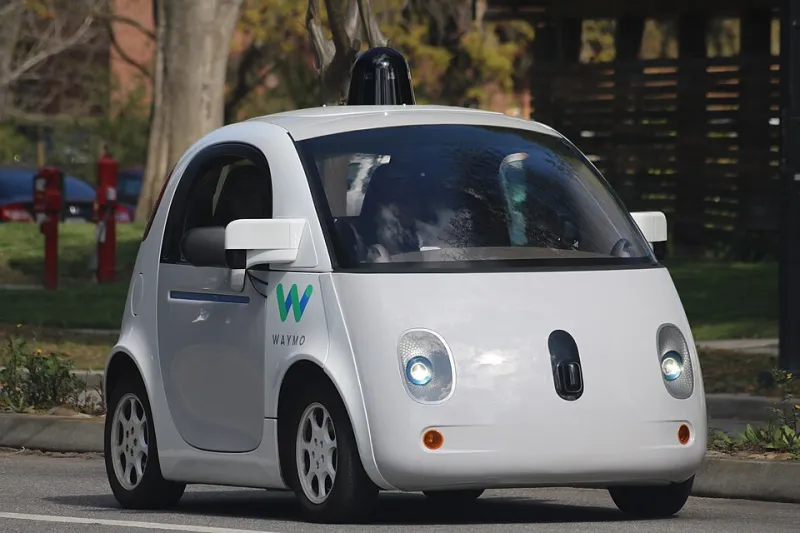
Photo: driving instructor teaching student in car dual controls, via localdrivingacademy.com.au
The learner's permit arrives in the mail. The excitement builds. Then comes the phone call every family dreads: the next available behind-the-wheel appointment is in eleven weeks.
If this sounds familiar, you're not alone. From suburban Ohio to coastal California, driving schools are turning students away, and the culprit isn't a lack of demand. It's a shrinking pool of certified instructors — and the reasons behind the shortage say a lot about how driver education is valued in America.
Why the Instructor Pipeline Has Dried Up
Becoming a licensed driving instructor in most states is no small undertaking. Requirements typically include a clean driving record spanning three to five years, background checks, state-administered certification exams, and in some jurisdictions, dozens of hours of specialized coursework. For a job that often pays between $18 and $30 an hour, the barrier to entry is steep and the financial reward is modest.
The pandemic accelerated an already troubling trend. Many veteran instructors, whose average age skewed well above 55, retired early or left the profession entirely. Replacing them has proven difficult. A retired schoolteacher with decades of classroom experience may be a natural fit for driver education — but the licensing hurdles and part-time pay rarely justify the effort.
The result is a supply-and-demand mismatch playing out in real time. In fast-growing states like Texas and Florida, some schools report waitlists stretching past three months. Rural areas face an even harsher arithmetic: one instructor may serve an entire county.
What the Wait Actually Costs You
The delay isn't merely an inconvenience. In many states, licensing timelines are rigid. A teen holding a permit may face mandatory holding periods, expiration dates on permits, and insurance deadlines tied to licensure. A student heading to college in the fall can't simply push everything back a semester.
There's also a subtler cost: skill decay. Students who complete classroom instruction and then wait months for road practice often arrive at their first lesson having forgotten half of what they learned. The momentum that makes early training effective dissipates.
Your Three Options, Honestly Assessed
1. Wait for a certified instructor. The gold standard remains one-on-one training with a state-licensed professional. If your timeline allows it, joining a waitlist early — ideally the same week you receive your permit — is the safest path. Ask schools directly about their average wait time and whether they maintain cancellation lists, which can shave weeks off your schedule.
2. Online coursework now, driving later. Most states permit the classroom or theory portion of driver education to be completed online. Doing this during the waitlist period is efficient: you arrive at your first lesson ready to drive, not starting from zero. Just verify that any online program is approved by your state's DMV or licensing agency — approval lists are usually published on official state websites.
3. Parent-taught programs. States like Texas, Virginia, and Georgia allow parents to serve as instructors through approved parent-taught curricula. This can eliminate wait times entirely, but it demands honesty. A parent who hasn't reviewed current state requirements, logged supervised hours properly, or taught systematically may produce a student who passes the test but isn't genuinely road-ready. If you choose this route, treat the curriculum seriously and consider a professional assessment lesson before the road test.
Planning Around the Backlog
Whatever path you choose, three habits will protect your timeline:
- Book the moment you're eligible. Waitlists operate on first-come, first-served logic.
- Ask about instructor certification. A reputable school will readily confirm that every instructor holds a current state license. If answers are vague, keep looking.
- Bundle your paperwork. Complete permit requirements, vision tests, and online coursework during the waiting period so nothing blocks your first lesson.
A Structural Problem Deserving Attention
Some states are beginning to respond — streamlining instructor certification, offering stipends, or permitting retired educators to fast-track licensure. But change will be slow, and families enrolling today need strategies, not sympathy.
The instructor shortage is, at its heart, a reminder that driver education is skilled work. The person sitting beside you in the passenger seat carries enormous responsibility, and the certification requirements exist for good reason. Waiting for a qualified professional — while using that time wisely — remains the surest route to a license and, more importantly, a lifetime of safe driving.